
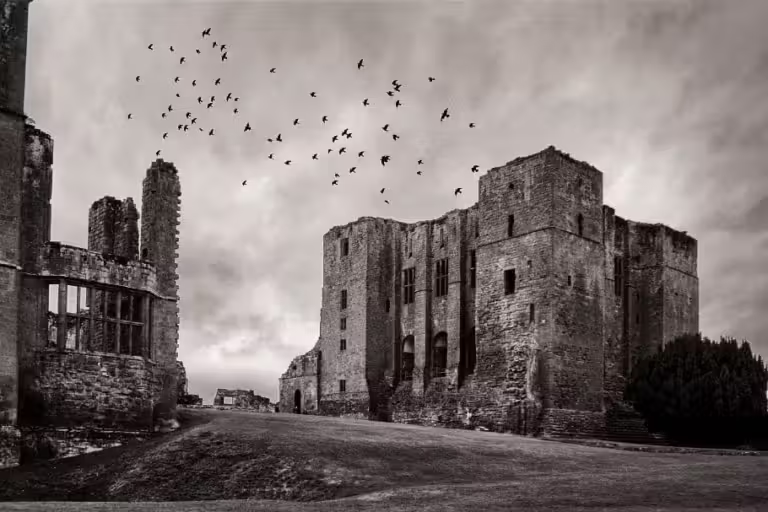
Gothic literature creates fear through oppressive settings, transgression and encounters with the supernatural. The fantastic produces a more specific uncertainty: readers hesitate between a rational explanation and a supernatural one. The two modes frequently overlap, but they are not interchangeable.
What is Gothic literature?
Gothic literature is a mode of writing built around fear, secrecy, transgression and threatened identities. It often places vulnerable characters inside hostile environments where the past refuses to remain buried.
Its familiar elements include ruined castles, monasteries, underground passages, storms, apparitions, forbidden rooms and persecuted heroines. However, Gothic fiction cannot be reduced to decorative cobwebs and conveniently timed thunderstorms. Its settings give physical form to psychological, social and political anxieties.
A castle may represent inherited power. A locked room may conceal family guilt. A ghost may embody a crime that official history has suppressed. Consequently, Gothic stories often transform places into extensions of the characters’ fears.