Virginia Woolf, a pioneer in the literary world, was deeply engrossed in the exploration of innovative narrative techniques. Her novels, celebrated as groundbreaking masterpieces, introduced avant-garde forms of fiction, charting new territories previously untraversed.
These works boldly shattered the conventional moulds of storytelling, distancing themselves from the well-trodden paths of the Victorian (1837-1901) and Edwardian (1901-1910) eras. Woolf’s narrative experimentation was a declaration of independence from the narrative norms of these ancient ages, heralding a new era in the art of novel writing.
The First World War was a trauma and brought out a crisis. A break is always prepared, the main innovators were Thomas Hardy and Joseph Conrad.
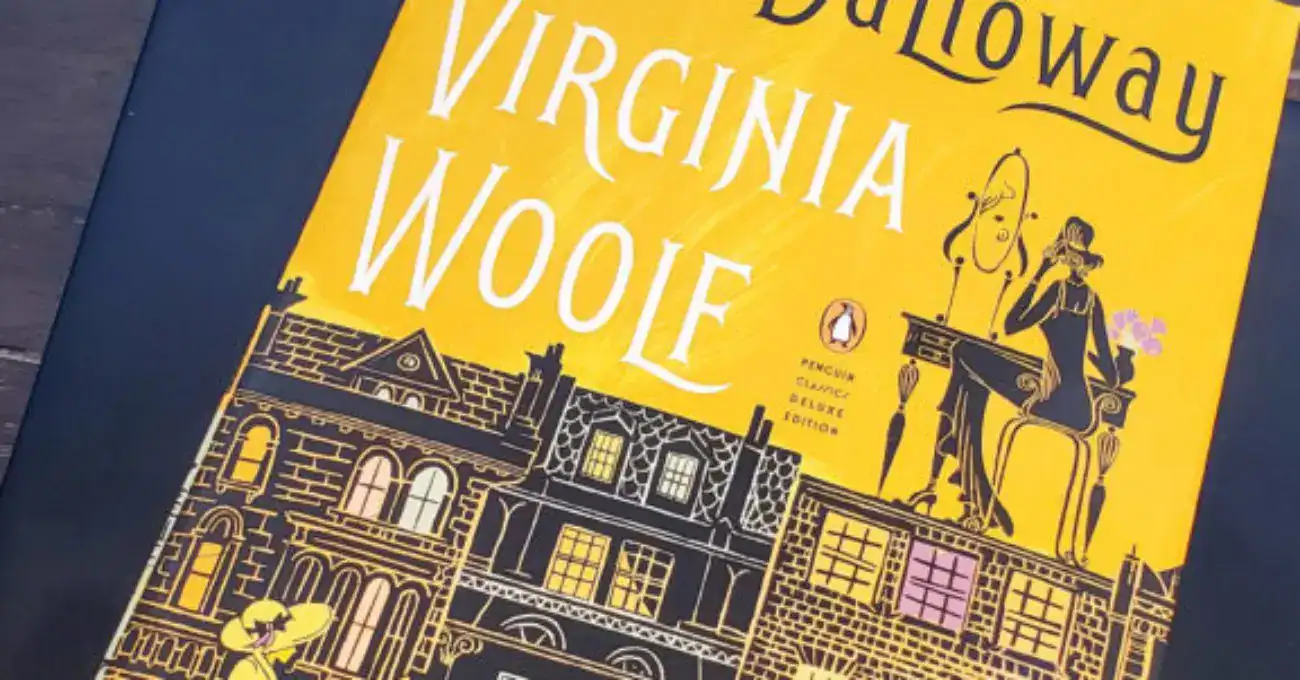
Woolf belongs to an aesthetic movement called the Modernist Novel. « Mrs Dalloway » was published in 1925, which was the year hinging the middle of her career: at the beginning of her career, she was rather traditional (Edwardian) but at the end, « The Waves » is a lyrical fiction, a long and unconventional narrative poem.
« Mrs Dalloway » is still in its shape and structure a novel but at the same time, few clues can be found that point out what Woolf will carry further afterwards.